Courage Without Performance: Tino Rigano on Truth, Integrity, and Self-Authority
Some conversations don’t arrive loudly.
They arrive grounded.
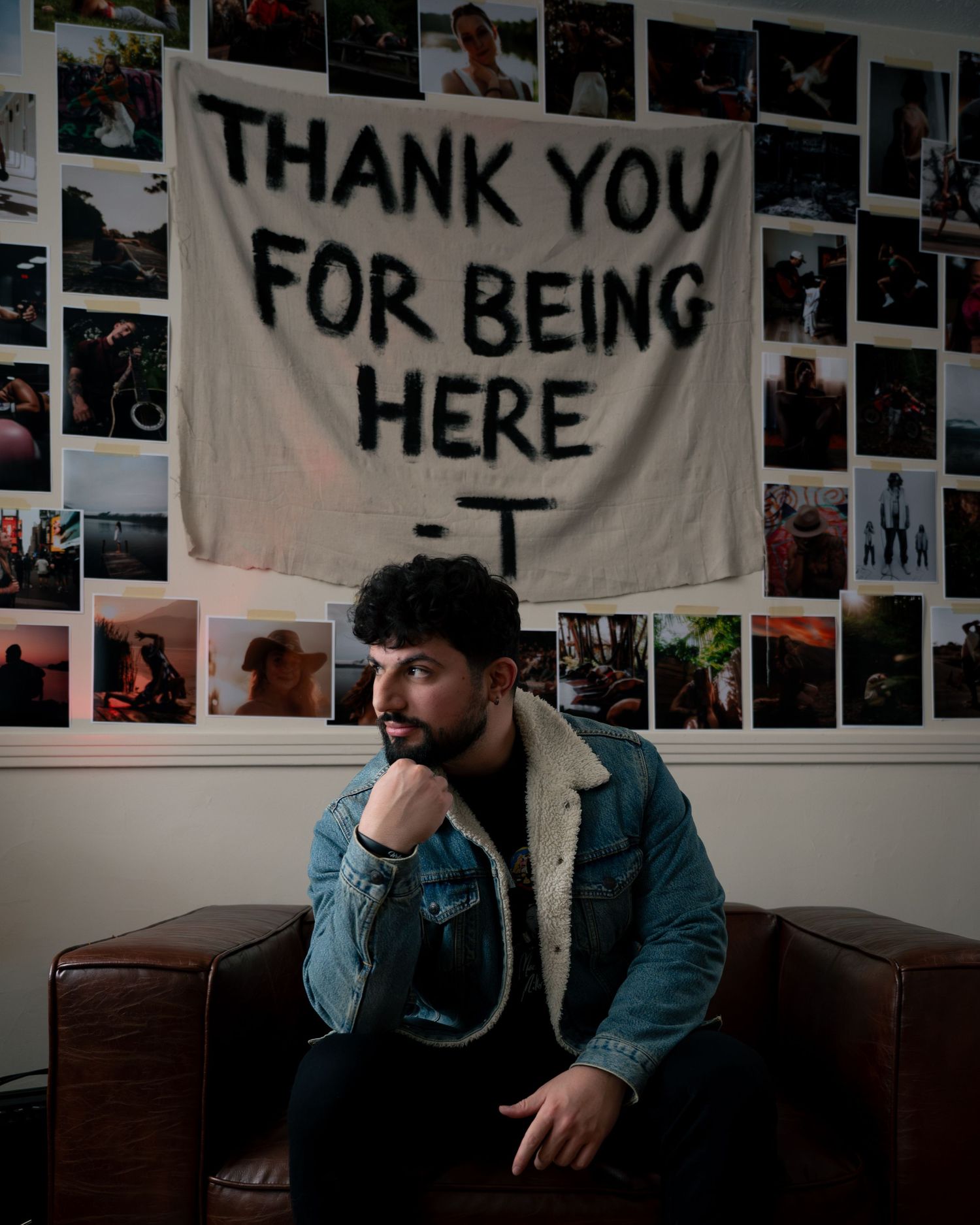
That’s how it felt sitting across from Tino Rigano in the Hot Seat.
There was no rush to impress, no need to inflate the moment. What Tino brought was something quieter — and rarer — a steadiness that comes from knowing who you are and being willing to stand there without apology.
Courage isn’t loud
One of the clearest through-lines in this conversation was Tino’s relationship to courage.
Not courage as bravado. Not courage as confrontation. But courage as self-responsibility.
Tino spoke about what it means to speak his truth unapologetically — not to provoke, not to dominate a room, but to remain honest even when it would be easier to soften, defer, or stay silent.
There’s a kind of strength that doesn’t need to announce itself. It doesn’t posture. It doesn’t persuade. It simply exists — rooted in integrity.
That’s the kind of courage Tino embodies.
Truth as a practice
What stood out most was how Tino treats truth not as a fixed identity, but as an ongoing practice.
Speaking honestly isn’t a one-time decision. It’s something you choose again and again — in conversations, in boundaries, in moments where you feel the temptation to be liked instead of real.
Tino reflected on the discipline it takes to stay aligned with yourself, especially when external validation, comfort, or convenience pull in a different direction.
Truth, in this way, isn’t reactive. It’s intentional.
Unapologetic doesn’t mean unkind
There’s often a misconception that being unapologetic requires hardness.
Tino’s presence challenged that.
He demonstrated how you can be firm without being aggressive. Clear without being dismissive. Honest without abandoning compassion.
Unapologetic truth, when it’s rooted in self-respect rather than ego, doesn’t fracture connection — it deepens it.
Being seen as you are
At its core, Tino’s Hot Seat was about allowing yourself to be seen as you are — not as who you think you need to be to be accepted.
That kind of visibility requires self-authority. The willingness to trust your own inner compass rather than outsourcing your sense of rightness to the room.
Tino didn’t frame this as confidence he’d “arrived” at. It was clear this is something he actively practices — choosing alignment over performance, even when it feels uncomfortable.
What this conversation left me with
Sitting with Tino reminded me that leadership doesn’t always look like taking up space.
Sometimes it looks like holding your ground.
Like saying what’s true without needing to convince anyone.
Like trusting that your integrity will speak for itself.
Tino’s presence was a reminder that courage isn’t about being fearless — it’s about being honest.
And that kind of honesty creates space for others to do the same.
Thank you for being here.
— T