From Playing It Safe to Living Authentically
There’s a particular kind of quiet that comes from living safely.
It looks responsible on the outside. It makes sense to other people. It earns approval. But underneath it, there’s often a slow erosion — a feeling of being under‑used, under‑expressed, and slightly disconnected from yourself.
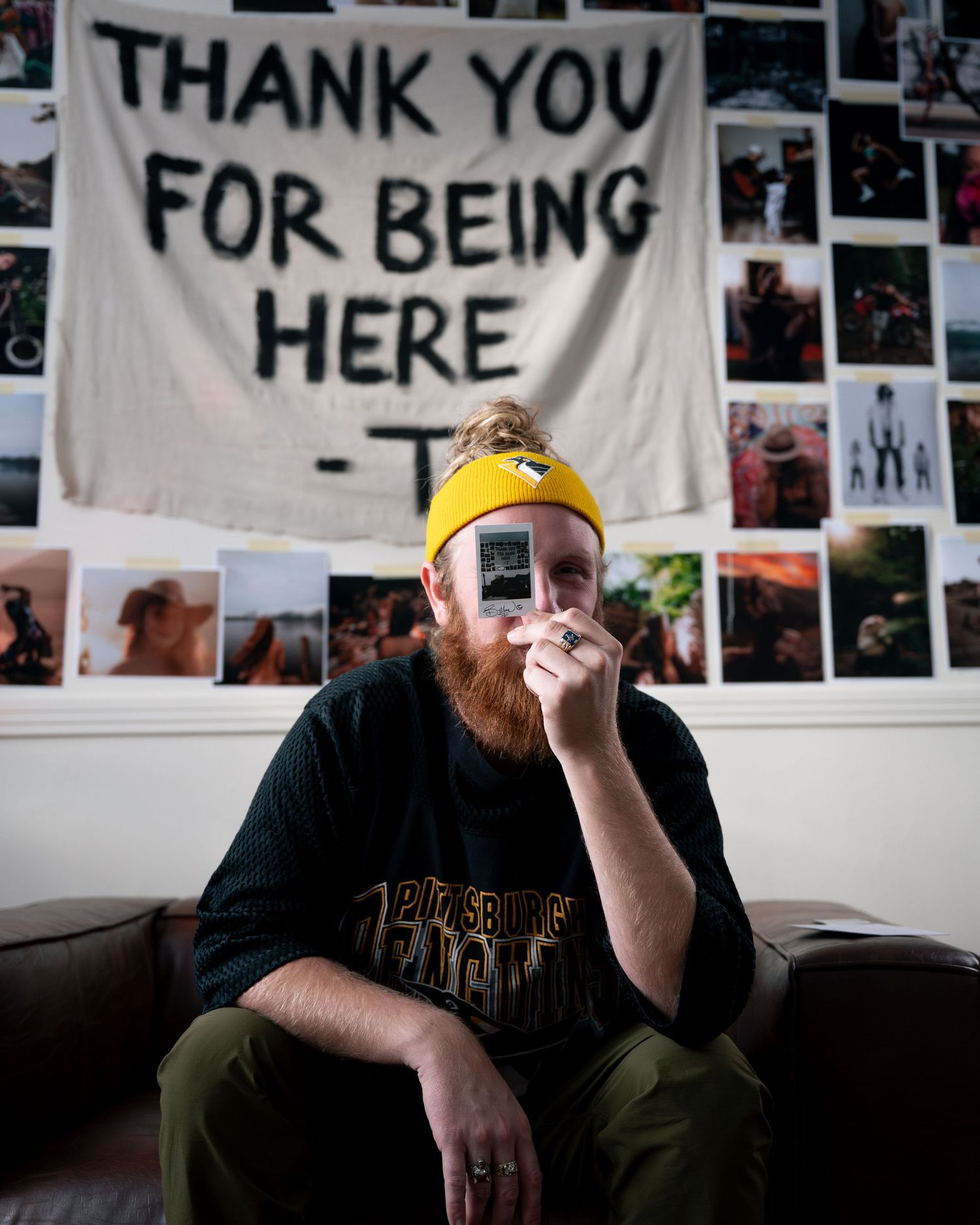
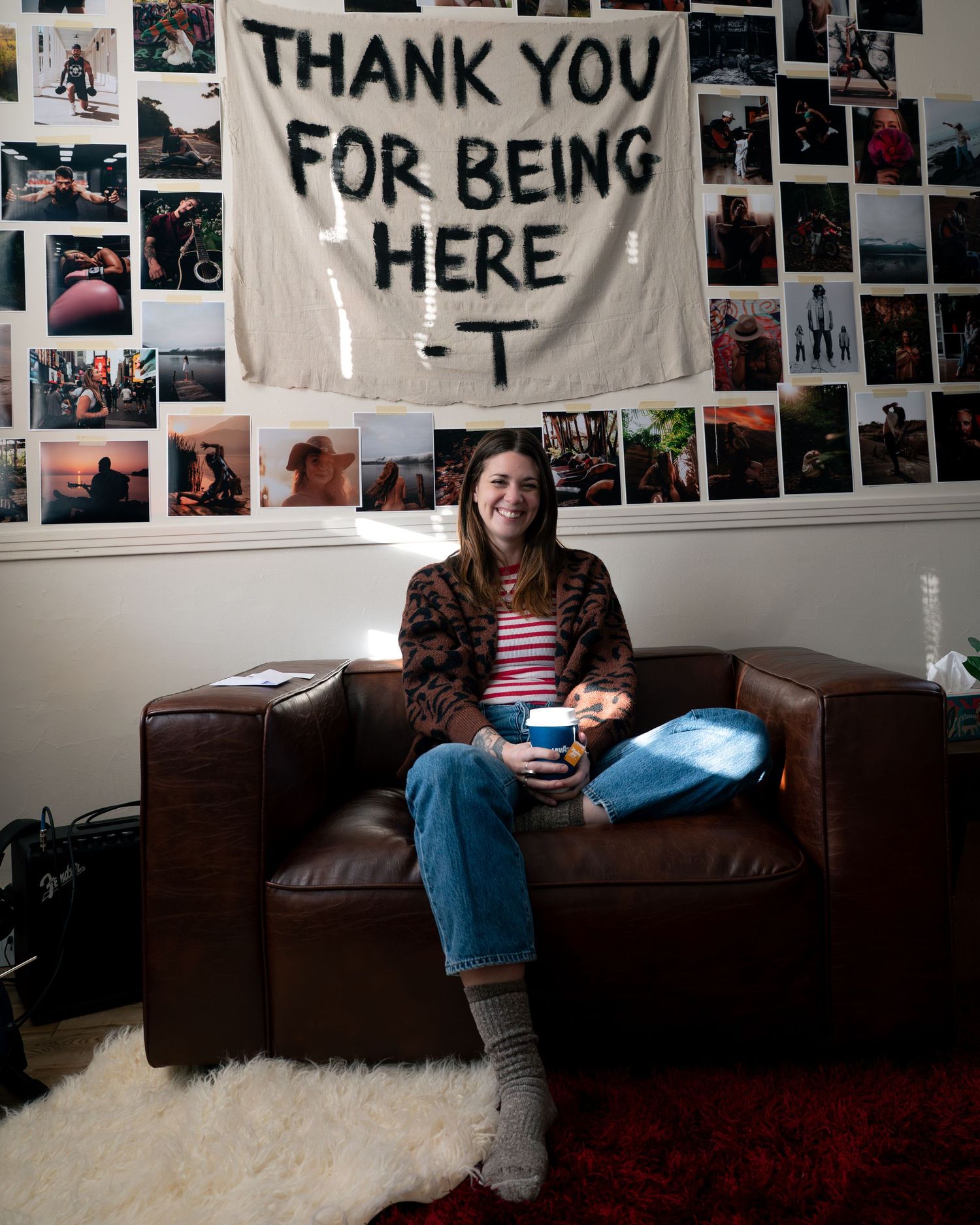
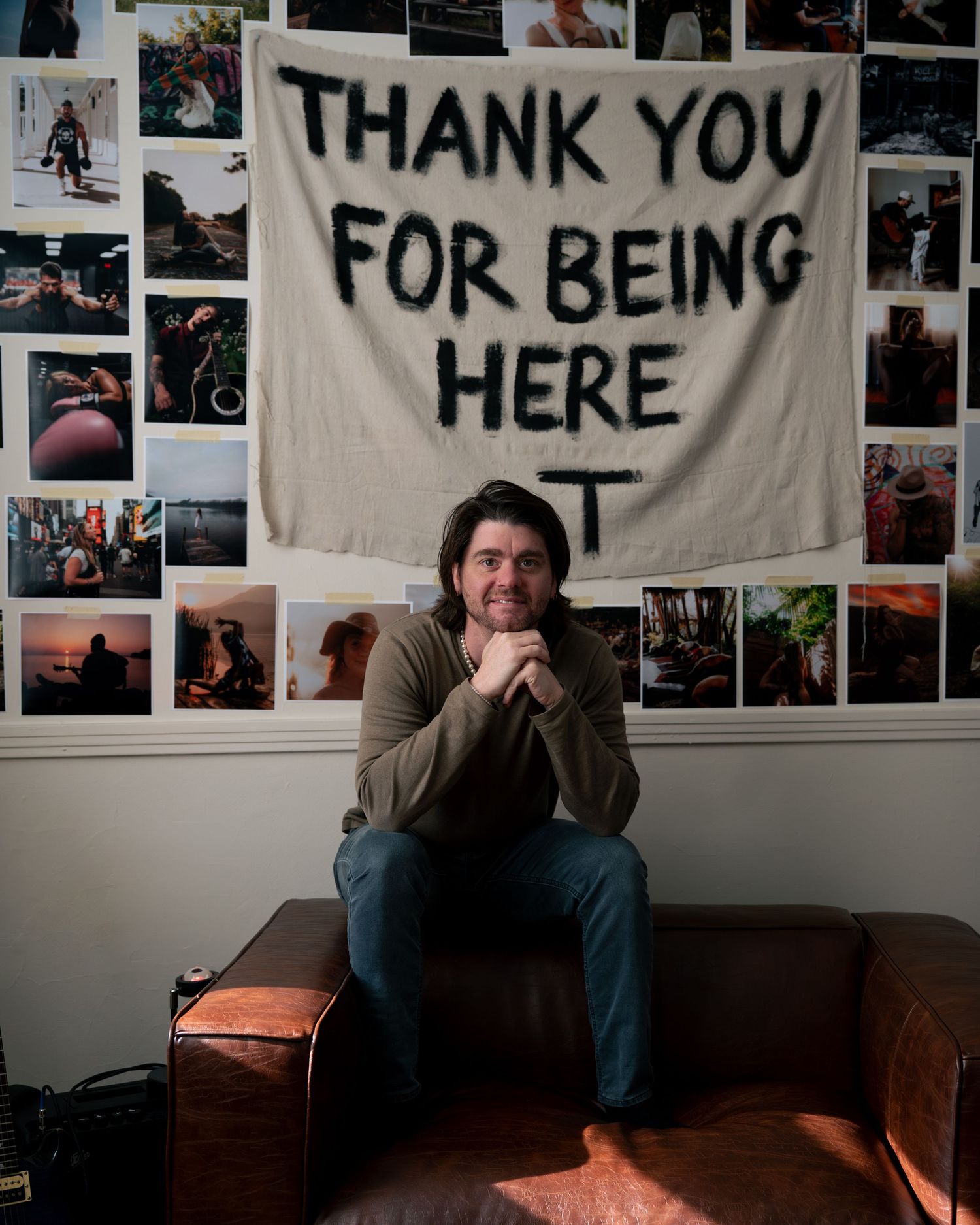
That’s the space David Kelly spoke from when he sat in the Hot Seat.
This conversation wasn’t about reinvention for the sake of reinvention. It was about honesty. About noticing the ways we stay comfortable long after comfort has stopped serving us.
The cost of playing it safe
David reflected on how easy it is to confuse stability with alignment. How safety can quietly become a ceiling — not because it’s wrong, but because it’s familiar.
There’s a moment many of us reach where the structure we built to protect ourselves begins to feel like the thing that’s holding us back. Not dramatically. Subtly. A slow flattening of curiosity. A resistance to risk. A sense that something more wants to move through us, but hasn’t been given permission yet.
David named that tension clearly: the discomfort of realizing that what once felt like security can eventually feel like stagnation.
Authenticity isn’t reckless — it’s honest
One of the most grounding parts of David’s perspective was how he spoke about authenticity. Not as impulsivity. Not as burning everything down. But as an ongoing practice of truth‑telling.
Living authentically doesn’t always mean making loud moves. Sometimes it means admitting, quietly and privately, that you’ve outgrown a version of yourself.
It means asking:
- Where am I choosing comfort over truth?
- Where am I shrinking to maintain stability?
- What would it look like to trust myself a little more here?
David reminded me that courage doesn’t always announce itself. Sometimes it shows up as a decision to stop abandoning yourself in small ways.
Safety can become a prison
What struck me most in this conversation was how clearly David articulated something many people feel but rarely say out loud: that safety, when clung to too tightly, can begin to feel like drowning.
Not because life is bad — but because it’s too narrow.
There’s a kind of existential fatigue that comes from repeating patterns you’ve already mastered. From knowing you’re capable of more expression, more risk, more aliveness — and choosing not to access it.
David spoke to that moment of reckoning with honesty and humility. There was no performance in it. Just clarity.
Being seen is a choice
At its core, David’s Hot Seat was about visibility.
Not visibility for attention — but visibility with yourself.
Being seen starts internally. It begins when you stop negotiating with the parts of you that want expansion. When you stop pretending that safety is the same thing as fulfillment.
David’s willingness to name where he had been playing small wasn’t self‑criticism. It was self‑respect.
What this conversation left me with
Sitting across from David reminded me that growth doesn’t always arrive through chaos. Sometimes it arrives through a quiet refusal to stay numb.
Through honesty.
Through self‑trust.
Through the courage to admit when a life that looks “fine” no longer feels true.
David didn’t come to the Hot Seat with answers. He came with awareness. And that, in itself, is an act of leadership.
Because when one person chooses to stop playing it safe, it gives others permission to do the same.
Thank you for being here.
— T